Laminate Flooring Installation in Sarasota, FL for Florida homes
Top-rated Sarasota laminate flooring installer. Scratch-resistant wood-look floors for bedrooms, home offices, and dry living rooms across Sarasota and surrounding cities.
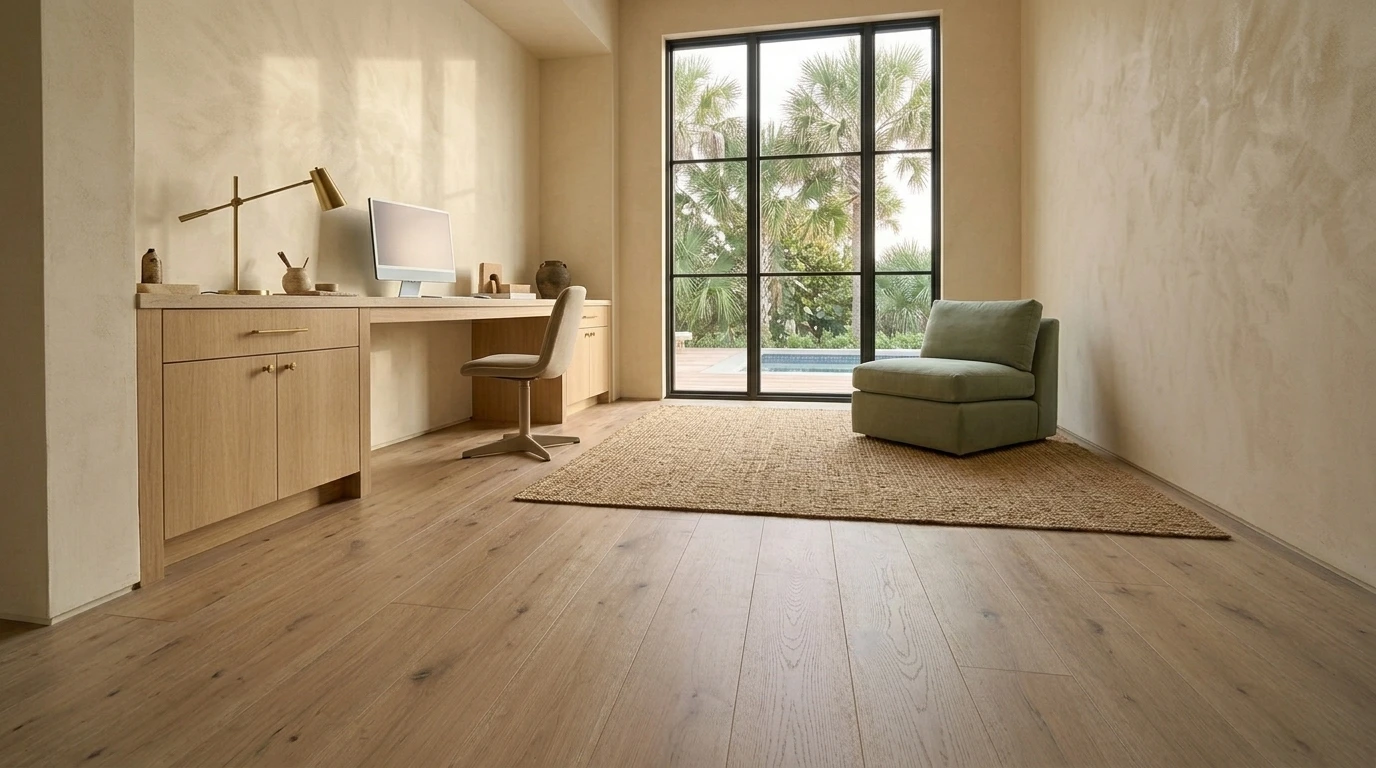
Laminate done right — not like the big-box install crew
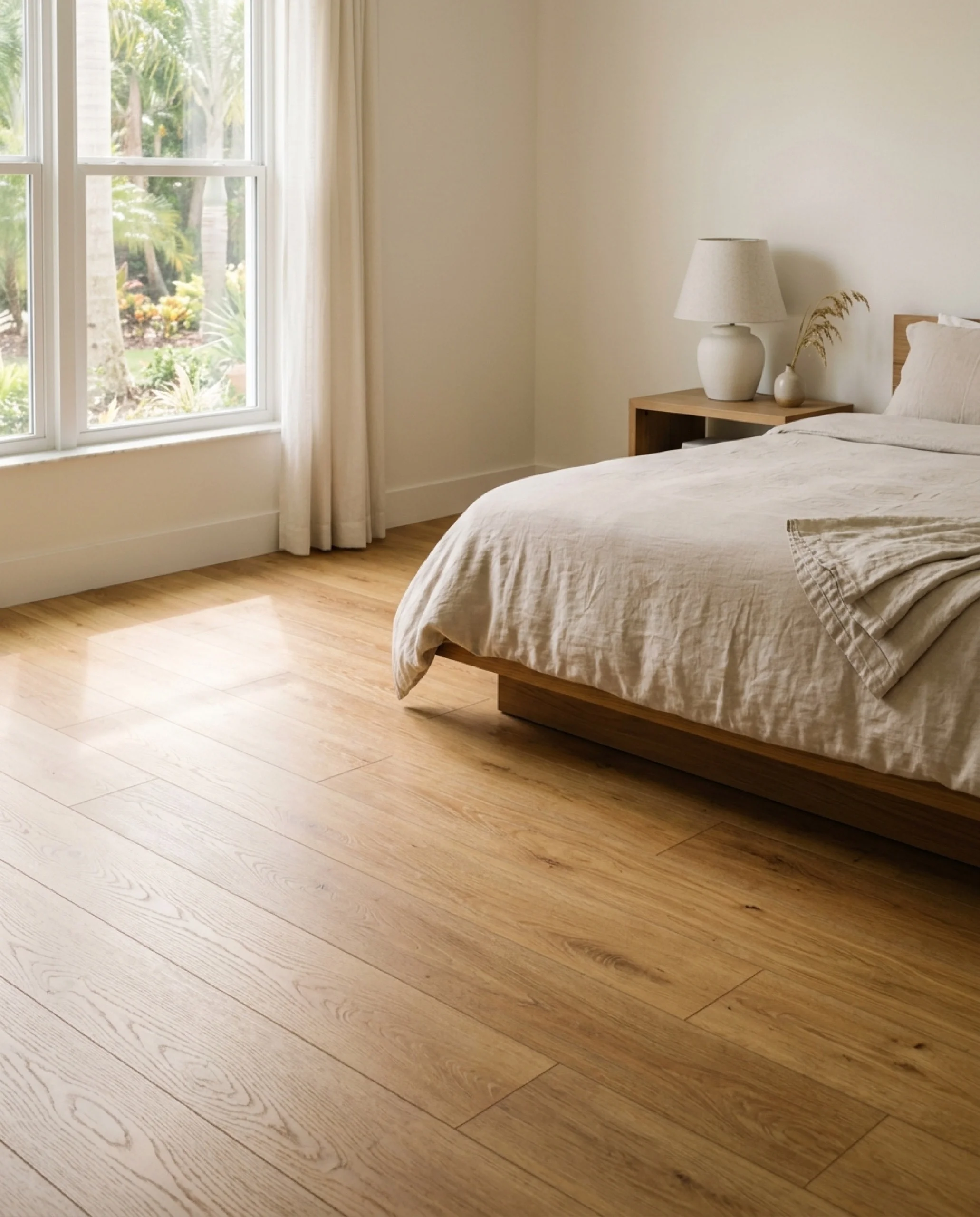
Laminate flooring is the budget-friendly wood-look. A printed wood image sealed under a tough clear layer. In the right rooms — bedrooms, home offices, dry living rooms — premium laminate from Pergo or Mohawk RevWood looks close to engineered hardwood at about half the price.
Comfort Style Flooring is a laminate flooring contractor, not a box-store install crew. We carry the product in, flatten the floor, use a real sound-dampening pad, and stand behind the install. That's usually the difference between a laminate floor that looks good for a decade and one that clicks underfoot six months in.
Laminate belongs in dry rooms. Keep it out of bathrooms and laundry rooms — for those, we install LVP instead. Pricing below runs from $3.75 per square foot for entry planks to $7.50 per square foot for the toughest commercial-grade lines.
Walkthrough
Room-by-room check — laminate for the dry rooms, LVP recommended for anywhere water gets spilled.
Prep the floor
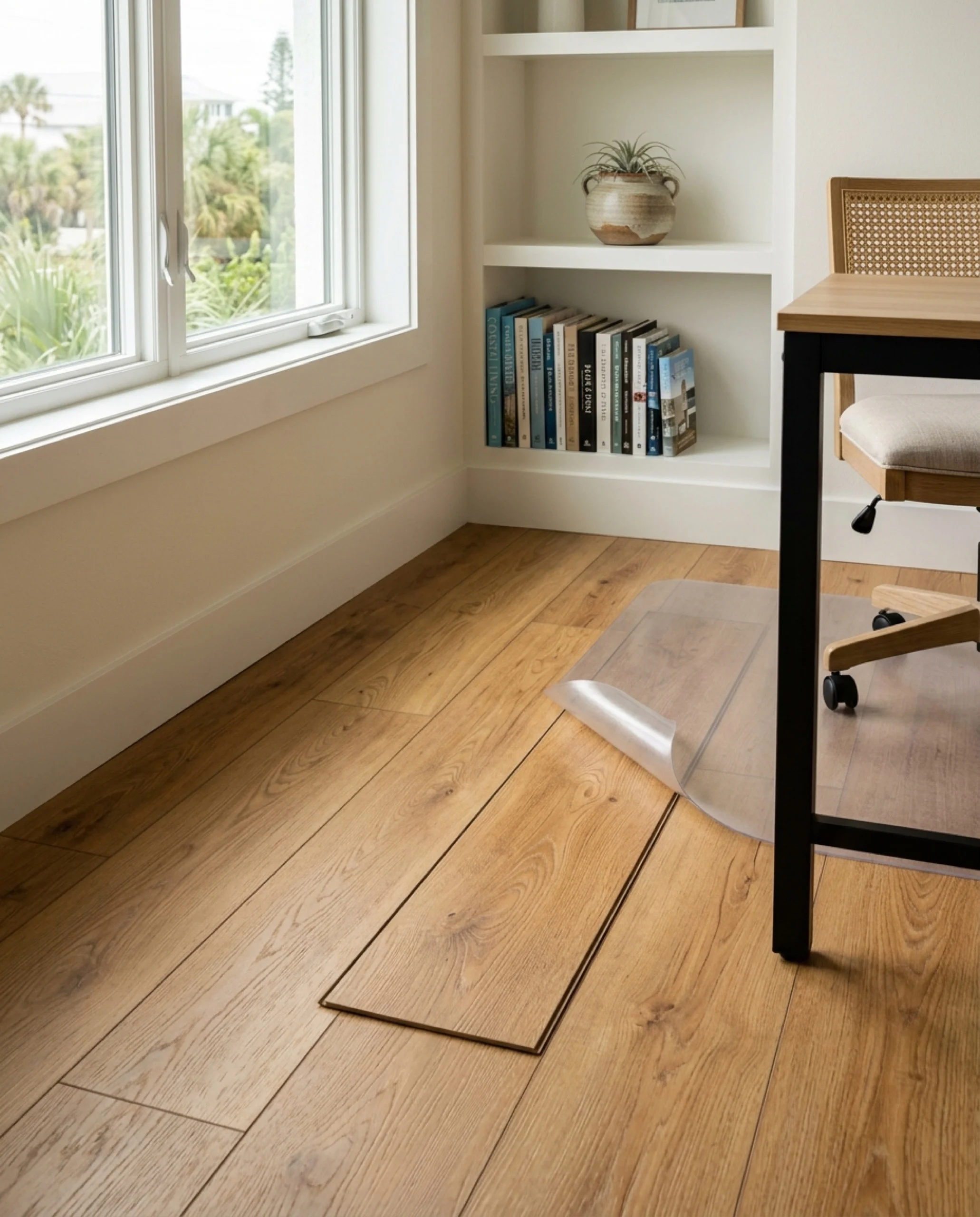
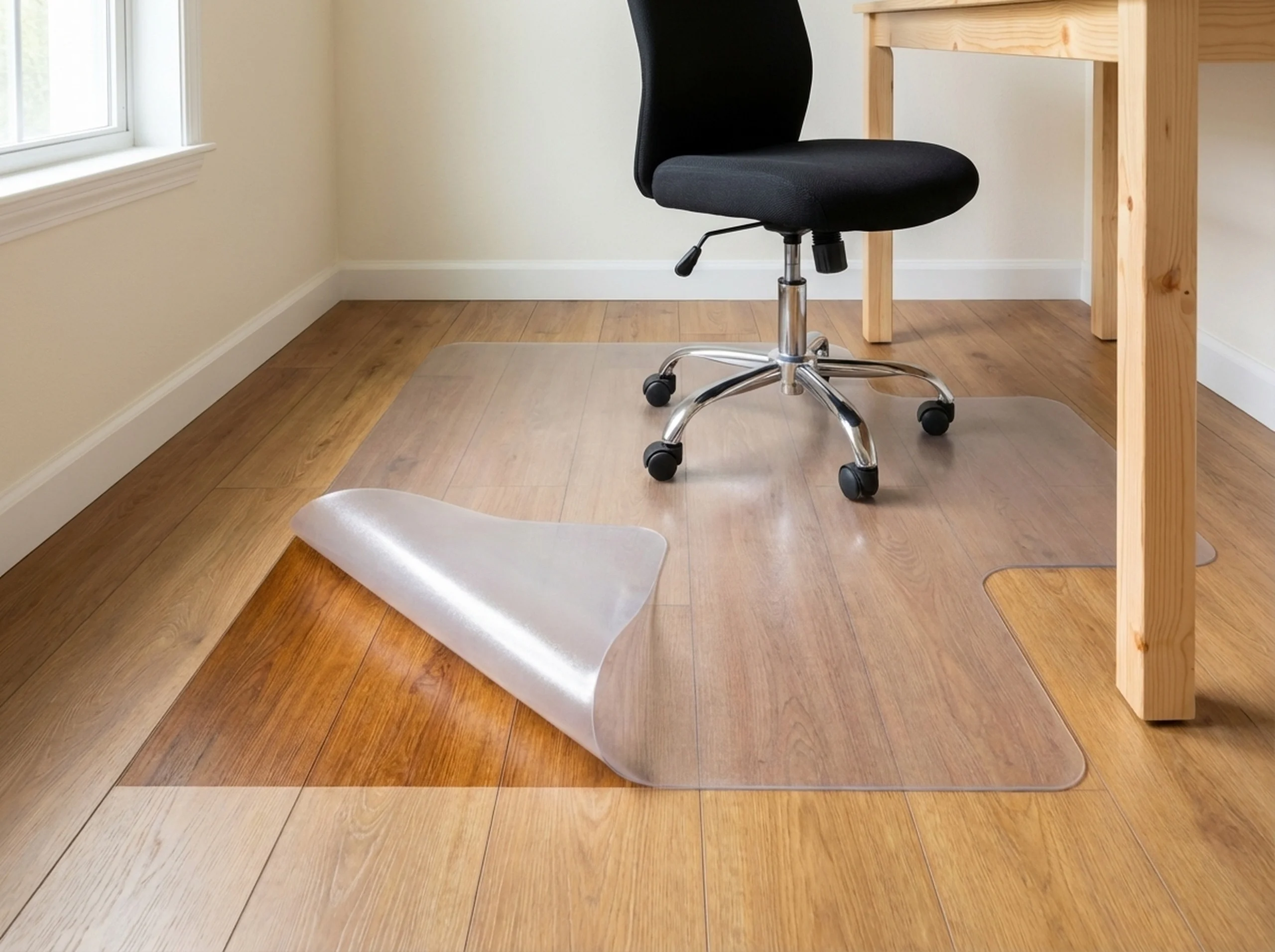
Flatten the floor underneath and lay a quiet underlayment pad — a real one, not the cheap foam that ships attached to the planks.
Lay the planks
Seams staggered, cuts clean around cabinets and doorways, and space left at the walls so the floor can move without buckling.
Finish the edges
Reducers, thresholds, and stair edges planned before the planks go down — not tacked together at the end.
Investment
& what it covers
Entry
- Residential-grade laminate
- Basic foam underlayment
- Standard wood-look finish
Standard
- Heavy-traffic residential laminate
- Premium quiet underlayment
- Pergo or Mohawk RevWood
- 25-year residential warranty
Premium
- Commercial-grade laminate
- Water-resistant top layer options
- Deep wood-grain texture
- Lifetime residential warranty
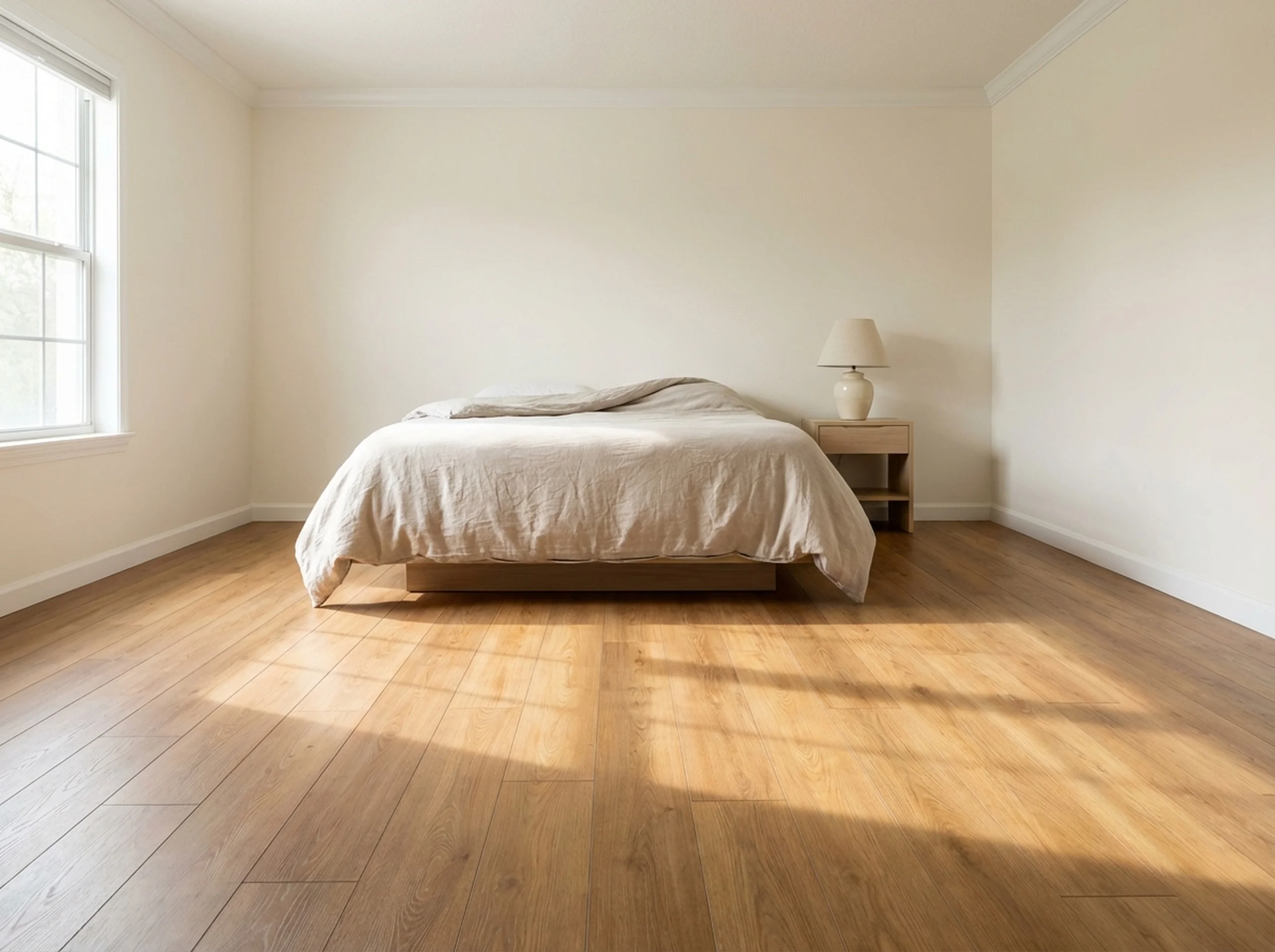
Recent
installations
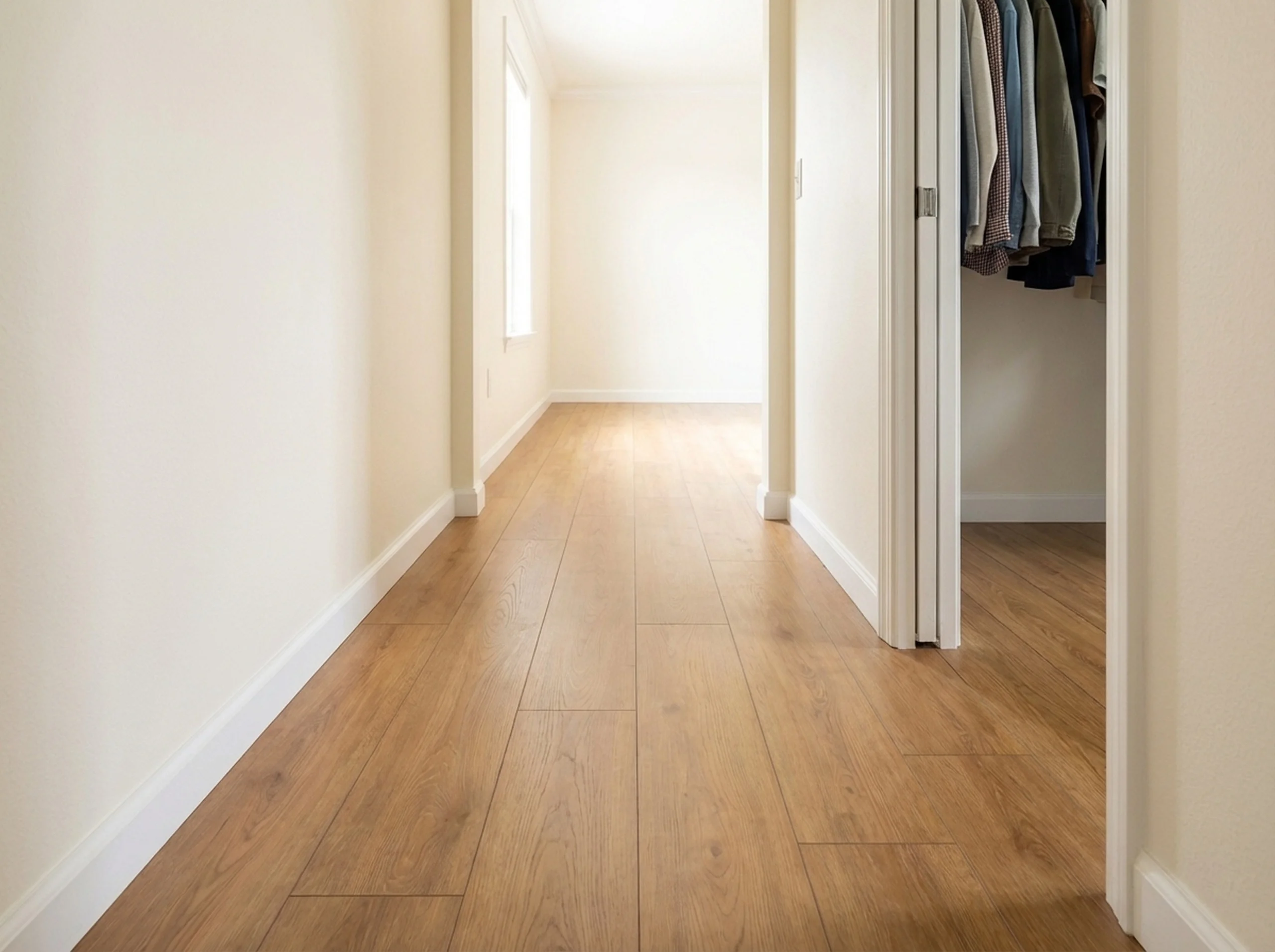
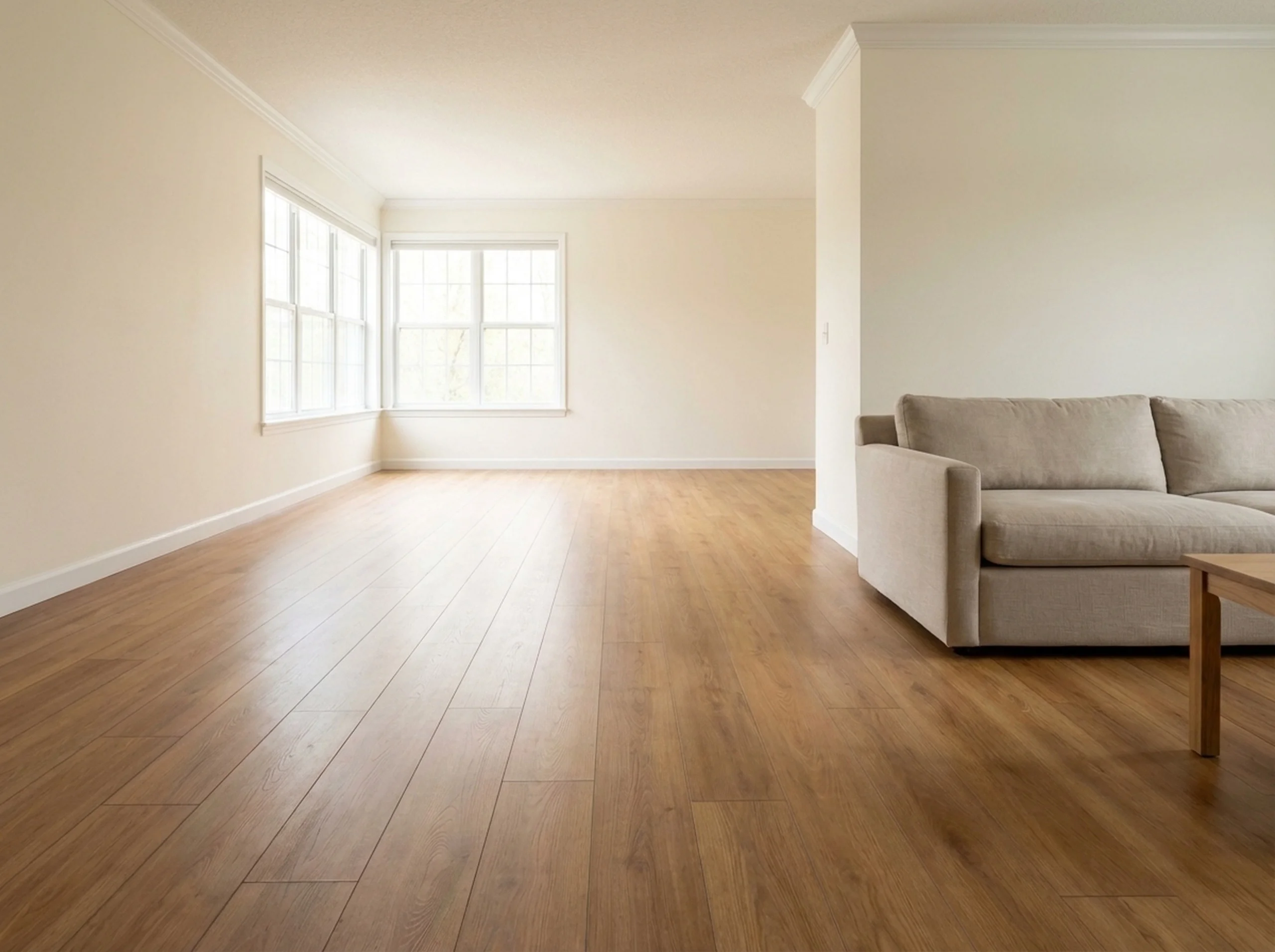
Straight from
the job site
“Best of the best in Florida. Highly recommend to anyone that's looking to get flooring done. You wont be disappointed with high quality craftsmanship!!!!”
— Bogdan Yakymchuk · Florida
Available
across the area
We install premium laminate in Sarasota, Lakewood Ranch, Longboat Key, Siesta Key, Venice, Anna Maria, Nokomis, Osprey, and University Park.
Common Questions
What should I look for in a laminate flooring contractor?
Three things. One, they flatten the floor before the planks go down. Two, they use a real underlayment pad — not the cheap foam attached to bargain planks. Three, they stand behind their install separately from the product warranty.
Ask any laminate floor contractor how they handle floor flatness, what underlayment they use, and whether they warranty the install separately. Vague answers on any of the three usually predict a floor that clicks, bubbles, or lifts within a year.
Engineered hardwood vs laminate — what is the difference?
Engineered hardwood has a real wood layer over a stable base. Laminate has a printed image of wood under a clear plastic layer. One is wood. The other is a very good picture of wood.
Laminate is usually cheaper, more scratch-tolerant, and installs faster. Engineered hardwood costs more, can sometimes be sanded and refinished if the wood layer is thick enough, and holds more resale value because buyers recognize the difference. Budget-sensitive rooms where a wood look is the goal — laminate. Main living rooms where you want hardwood — engineered.
Hardwood vs engineered vs laminate — how do I choose?
Solid hardwood for plywood floors and homes with consistent AC where you want the most authentic floor you can get. Engineered hardwood for concrete slabs, condos, and humid climates where you still want hardwood. Laminate for budget rooms where a convincing wood look is enough and you don't need to refinish.
All three can look great installed well. All three can fail installed poorly. The choice is less about which product is "best" and more about which matches the room, the floor underneath, and how you live.
How much does laminate flooring installation cost?
Our laminate installation starts at $3.75 per square foot for entry residential-grade with basic foam underlayment. Mid-range heavy-traffic laminate from Pergo or Mohawk RevWood with premium underlayment and a 25-year warranty runs $5.25 per square foot. Commercial-grade with a water-resistant top layer and deep wood texture starts at $7.50 per square foot.
The total depends on the product tier, the condition of the floor underneath, transitions, stairs, and whether demolition or furniture moving is in scope. Laminate is usually the cheapest route to a wood-look floor — but the useful number is your actual job, not a generic national average.
Is laminate really cheaper than hardwood?
Usually yes, and often by a wide margin. Entry laminate runs around $3.75 per square foot installed vs. $12 per square foot for entry engineered hardwood. The gap narrows at the top end — commercial-grade laminate at $7.50 per square foot is close to entry engineered pricing. At that point the question is whether you want hardwood or tougher laminate.
Can bad floor prep void the laminate warranty?
Often yes. Manufacturers tie performance to a flat floor underneath, the right underlayment, and a moisture check on concrete. Skip the prep and the planks might still be fine — but the manufacturer can deny a warranty claim because the install didn't meet spec. That's why prep is part of the main scope, not a skipped detail.
Should I use laminate in a bathroom?
Usually no. Standard laminate is made for dry, climate-controlled rooms. Standing water can damage the core even on water-resistant lines. For bathrooms, laundry rooms, and kitchens, we install luxury vinyl plank instead.