Luxury Vinyl Plank (LVP) Installation in Sarasota, FL for Florida homes
Top-rated Sarasota vinyl plank flooring installer. Waterproof, pet-proof LVP built for kitchens, baths, laundries, and busy living areas.
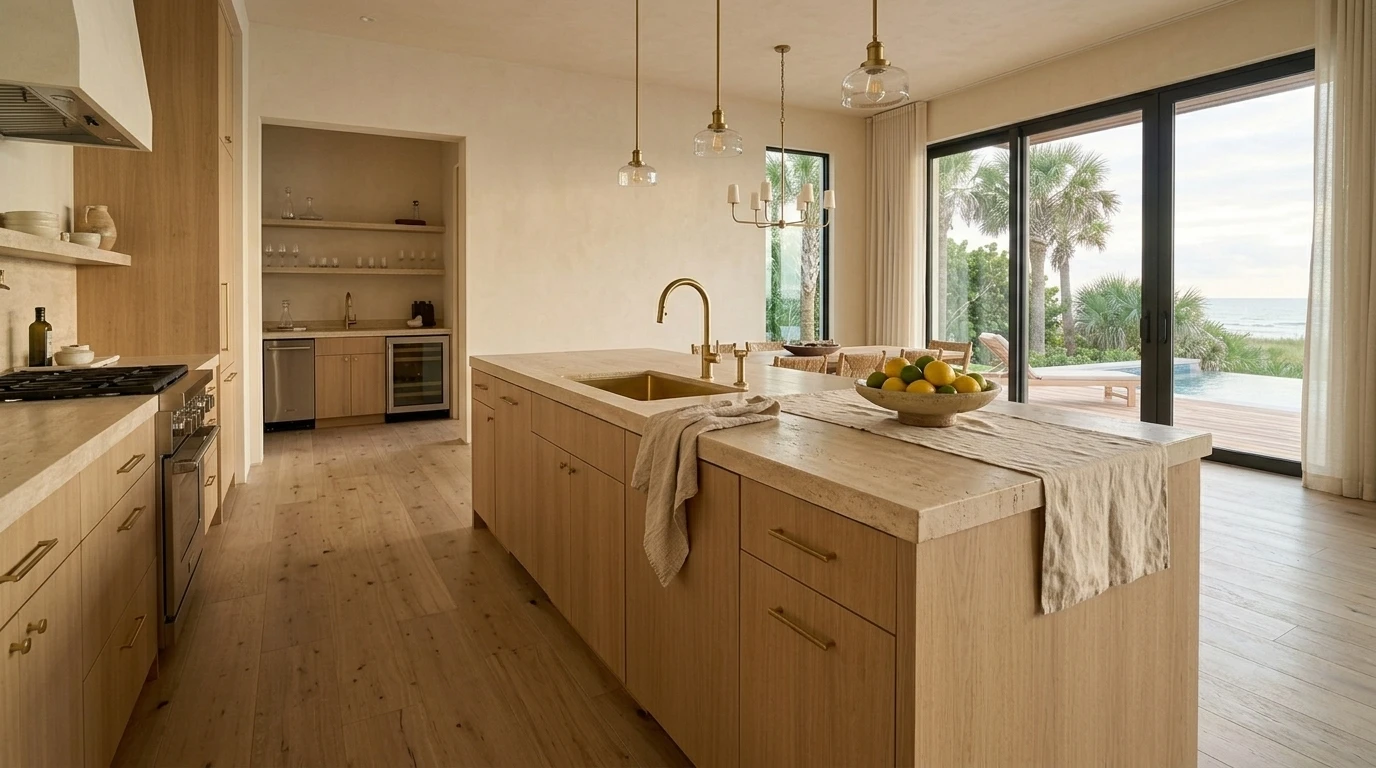
Waterproof floors built for Florida homes
Luxury vinyl plank — LVP — is the most practical floor we install in Sarasota. Waterproof. Tough. Quieter and warmer underfoot than tile. It works on the concrete slabs most Florida homes sit on, and it handles kitchens, bathrooms, and entryways without complaint.
Most LVP problems we get called to fix come back to the same thing — the floor underneath wasn't flat before the planks went down. Dips show through. Seams pop. Planks click underfoot. A good LVP job starts a week before the planks arrive, with prep work on the floor below.
Pricing starts at $5.50 per square foot for entry LVP and runs to $9.50+ for premium planks with thicker wear layers and deeper wood texture. The rest of this page covers what drives the price, what to ask your installer, and where LVP fits better than the alternatives.
Flatten the floor
Low spots filled and high spots ground down so planks lay flat. This is the step most failed LVP jobs skipped.
Pick the underlayment
A quiet pad matched to your floor — the cheap foam that comes attached to some planks isn't it.
Lay the planks
Seams staggered, cuts lined up around cabinets and doorways, and space left at the walls so the floor can move without buckling.
Finish the edges
Stair edges, thresholds, and quarter-round trim installed to match — not an afterthought.
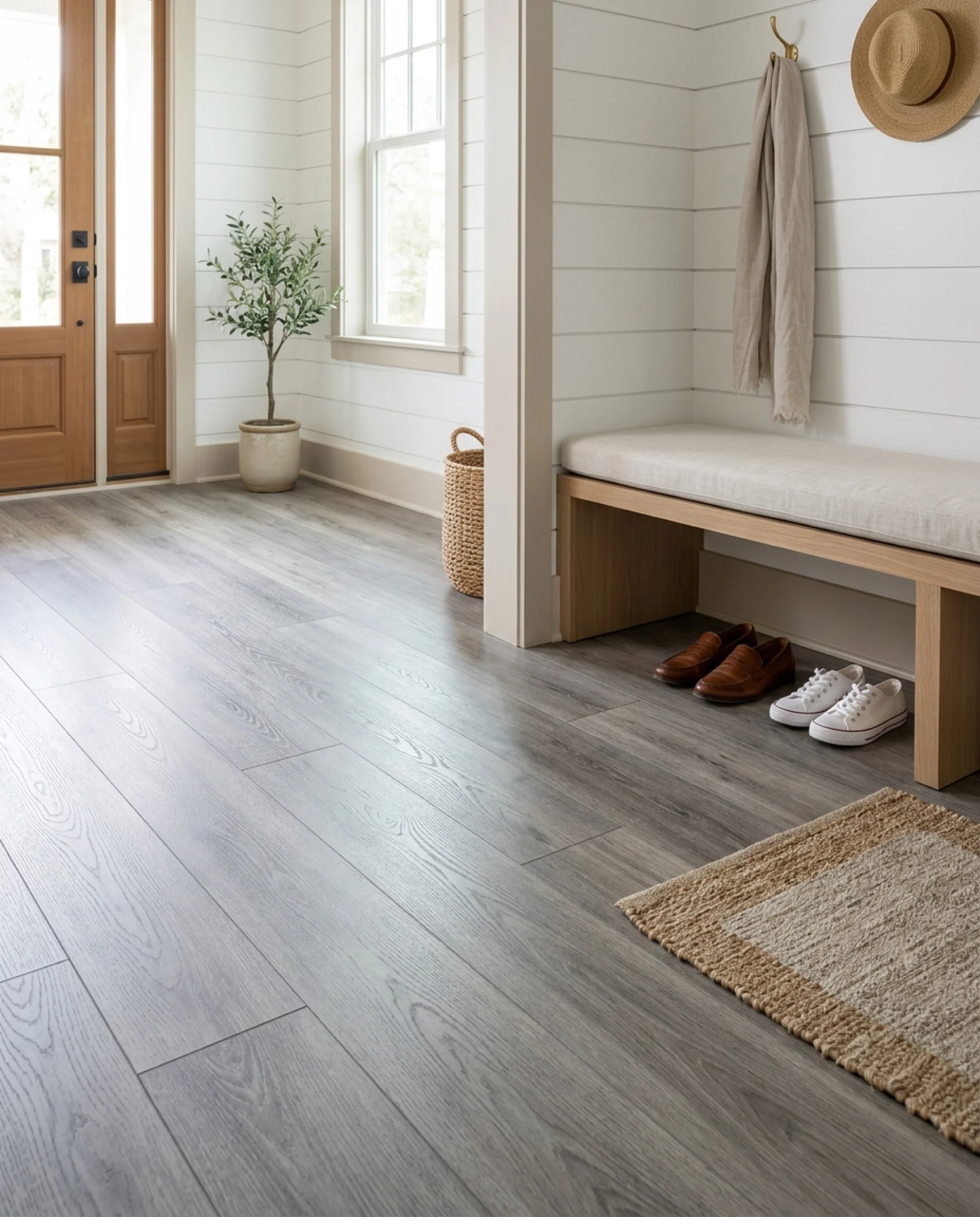
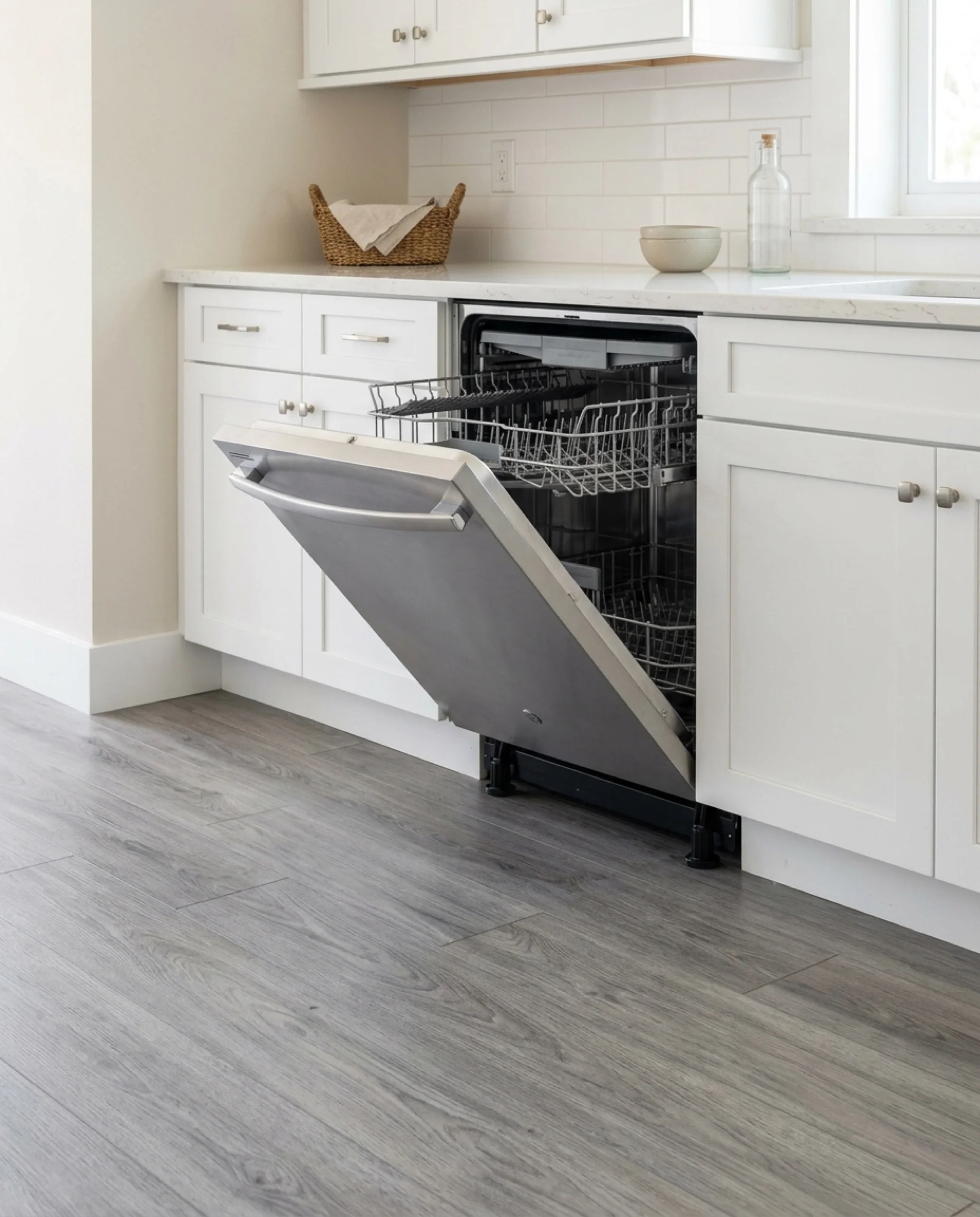
Investment
& what it covers
Entry
- 12mil wear layer
- Attached pad underlayment
- Standard wood-look finish
Standard
- 20mil commercial-grade wear layer
- Deeper embossed wood texture
- Premium quiet underlayment
- 15-year residential warranty
Premium
- 28mil ultra-HD wear layer
- Grain texture lined up with the wood pattern
- Stone-look and wide-plank options
- Lifetime limited warranty
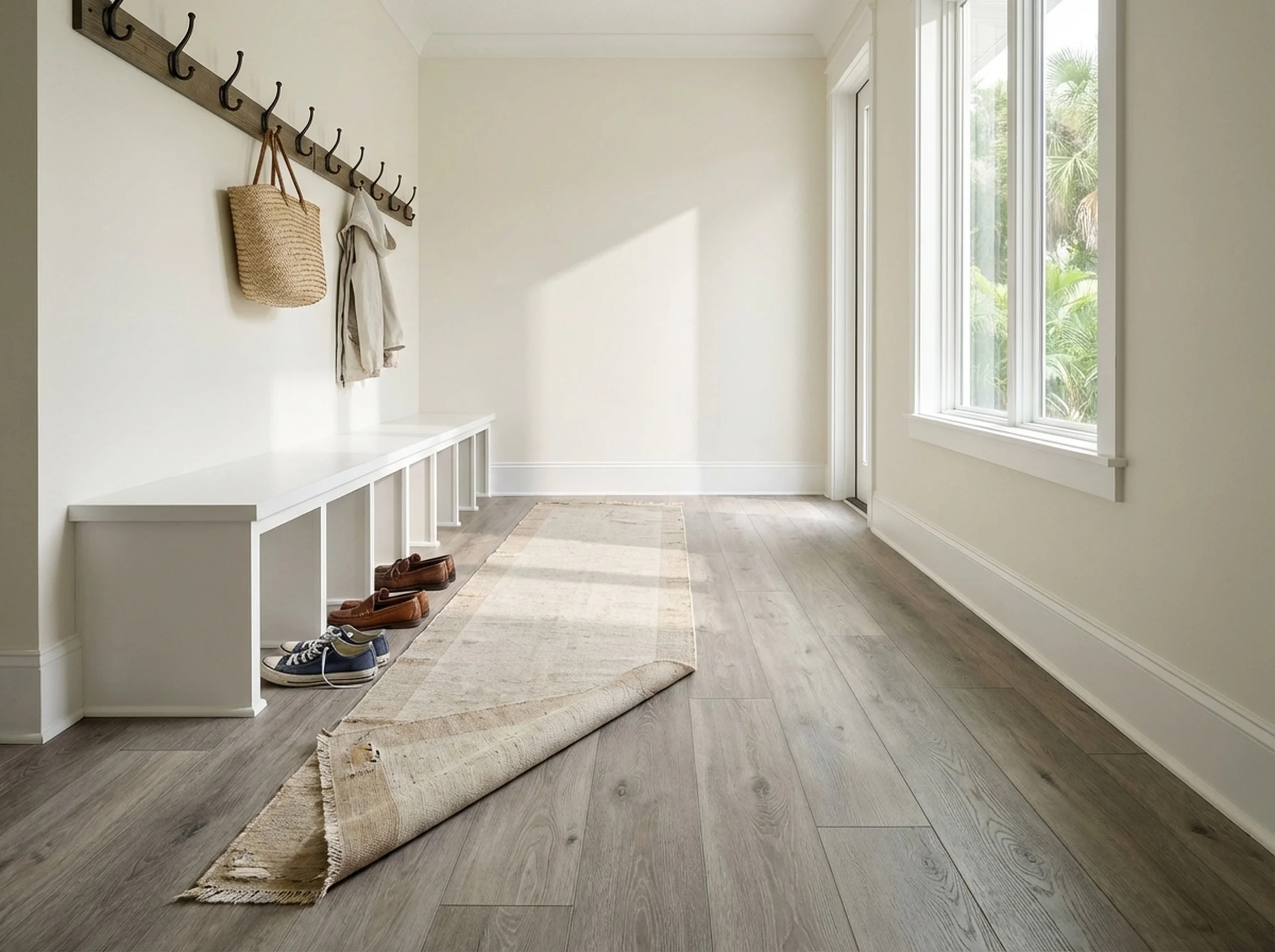
Recent
installations
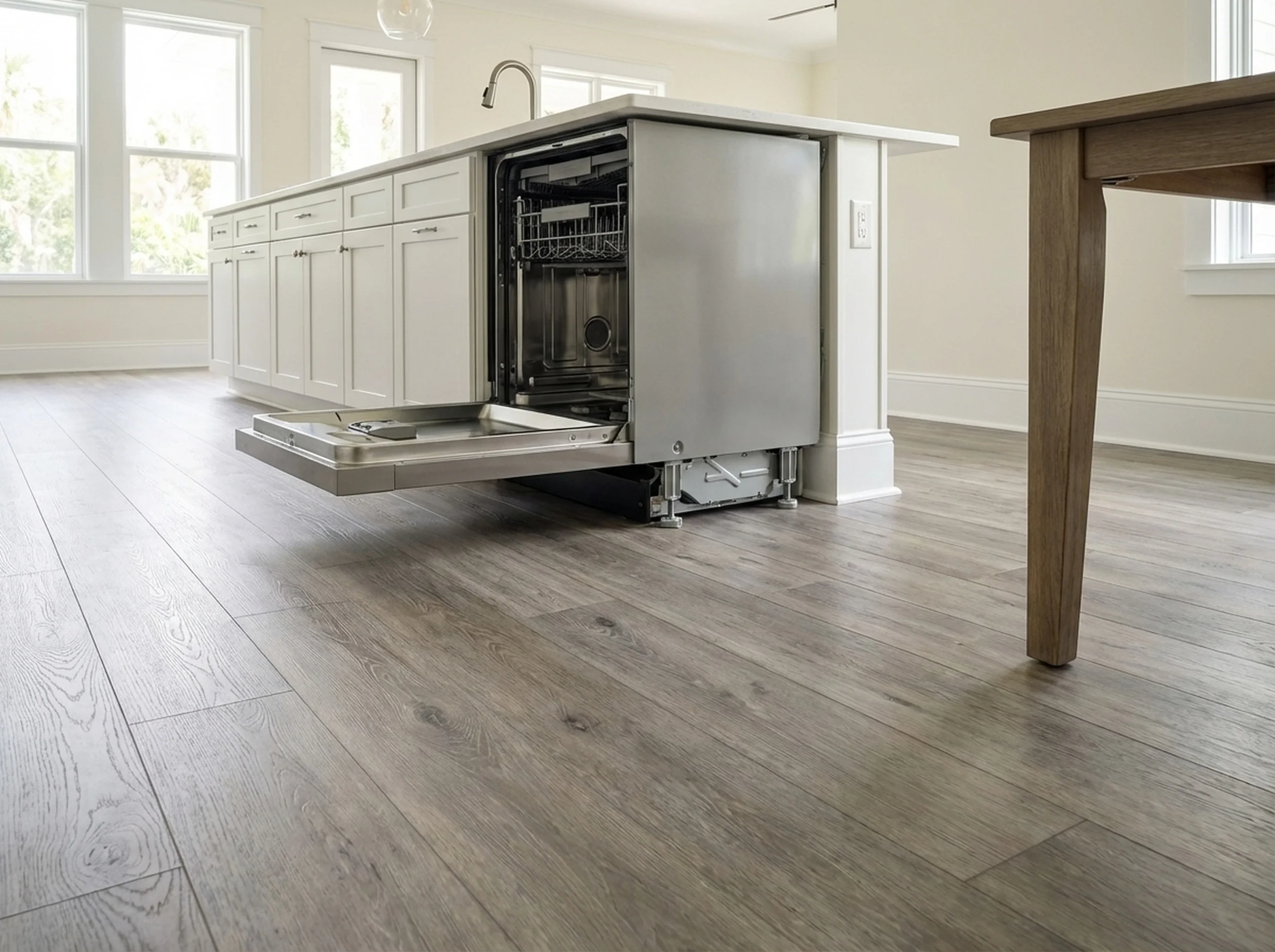
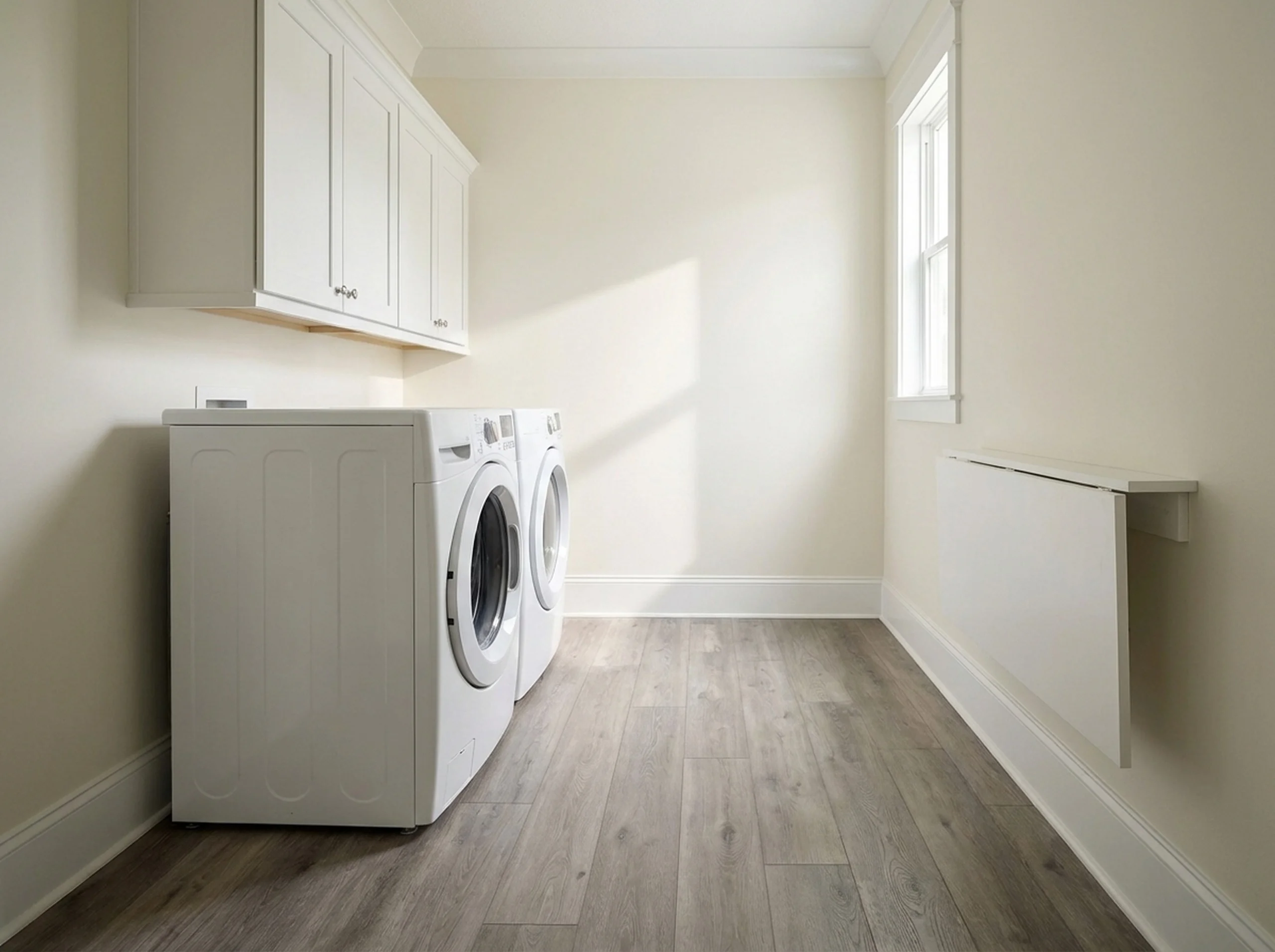
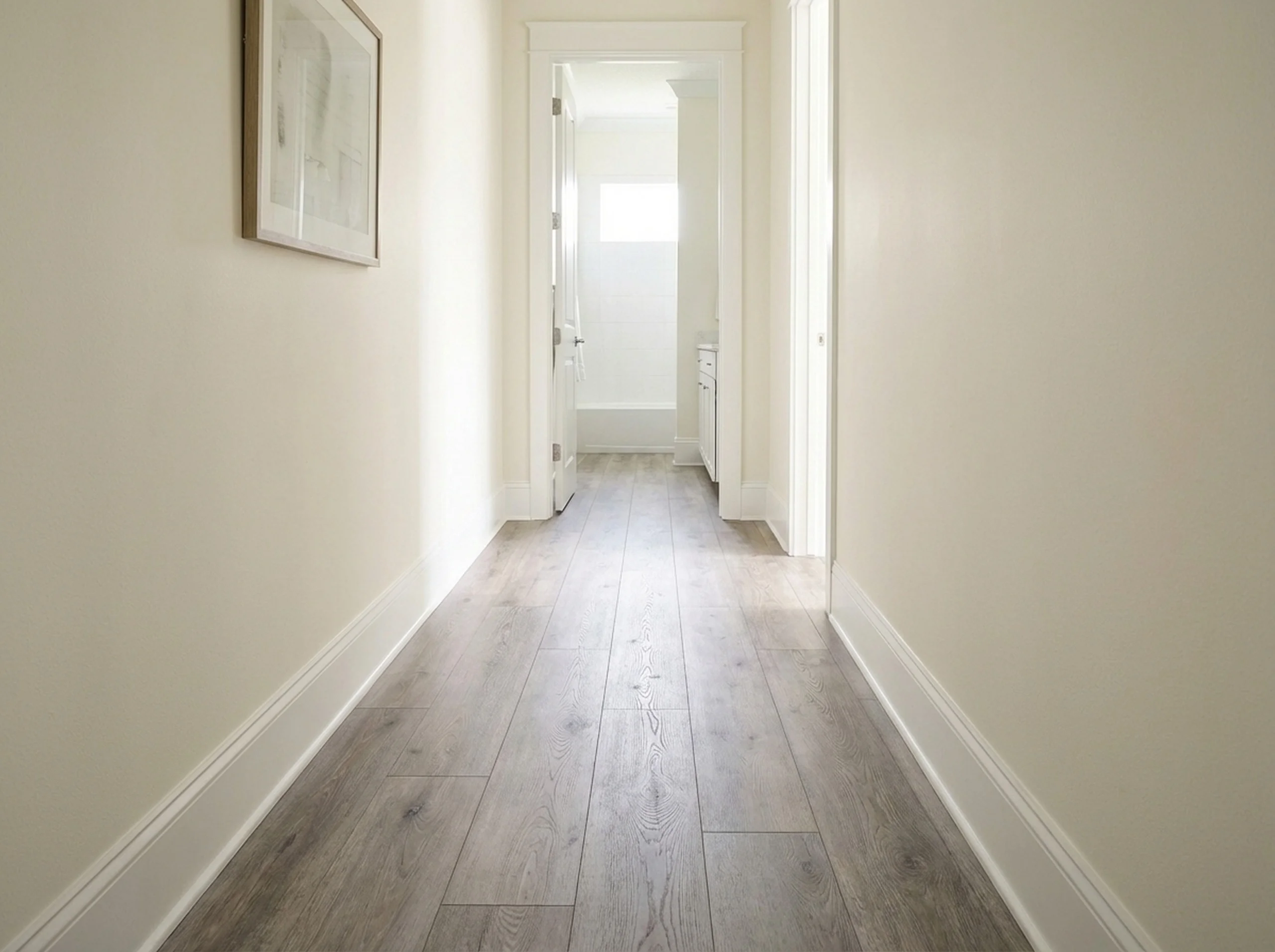
Straight from
the job site
“Wanted to appreciate you guys, my floors look Amazing!! recommended you to my friends locally :)))”
— Garry Leanardo
Available
across the area
We install luxury vinyl plank in Sarasota, Lakewood Ranch, Longboat Key, Siesta Key, Venice, Anna Maria, Nokomis, Osprey, and University Park.
Common Questions
How much does LVP installation cost?
Our luxury vinyl plank installation starts at $5.50 per square foot for entry LVP. Mid-range planks with a thicker commercial-grade wear layer, premium quiet underlayment, and a 15-year warranty run $7.25 per square foot. Ultra-HD premium planks with deep wood texture and a lifetime warranty start at $9.50 per square foot.
The total depends on the product, the condition of the floor underneath, demolition, number of rooms, transitions, and whether stairs are involved. Labor varies more than the material on most LVP jobs — the floor prep is where the time gets spent.
What is the labor cost to install vinyl plank flooring?
For a straight floating LVP install over a decent floor, labor usually runs $2 to $3.50 per square foot — the rest is materials, underlayment, and transitions. Labor climbs when the floor underneath needs leveling or moisture work, or when rooms have complex cuts or tight cabinets. Stairs, thresholds, and custom transitions also add time.
Glued LVP costs more in labor than floating because the floor has to be prepped more carefully and the adhesive has a short working time. We quote labor as part of the full written scope so the number reflects your actual job, not a generic per-square-foot rate.
What are the most common LVP installation mistakes?
Planks clicking underfoot. Seams lifting. Hollow spots. Gaps at the walls. All of these almost always trace back to the floor under the planks not being flat before install.
The other common problems we see — no space left at the walls for the floor to expand (so it buckles), the wrong underlayment (doubling up on planks that already have an attached pad kills performance), and installing over concrete that was never checked for moisture (the adhesive fails and planks lift).
Most of these cost more to fix later than to prep for up front.
Can LVP be installed over a concrete slab?
Yes — concrete is one of the best floors for LVP, as long as it's flat, dry, and prepped. LVP is stable enough to handle minor concrete movement without failing, which is why it outperforms solid hardwood on Florida slabs.
The concrete still has to be checked for moisture. Even waterproof LVP can fail at the adhesive if the concrete is pushing moisture up above the product's limit. Flatness matters too — dips and ridges in the concrete will show up in the finished floor.
Is LVP really waterproof?
The planks are. Most LVP handles standing water on the surface indefinitely. The floor as a whole is water-resistant — water can still cause problems if it gets around the edges, comes up through a wet slab, or works into a bad seam.
In practice, LVP is the safest floor we install in kitchens, bathrooms, laundry rooms, and entryways. It doesn't replace proper waterproofing in wet areas, and a flooded slab is still a slab problem regardless of what's on top.
Engineered hardwood vs LVP — which is better?
If you want a hardwood floor, engineered is the better answer. If you want the safer floor for spills, pets, bathrooms, and low-fuss living, LVP is usually the better answer.
LVP usually wins on cleanup, water tolerance, price, and install speed. Engineered hardwood wins on real-wood character, long-term resale value, and the option to refinish if the wood layer is thick enough. The right pick depends on the room and how you live in it.
Why does my new LVP feel uneven, hollow, or click when I walk on it?
Almost always a floor-prep issue. Planks need a flat, clean, dry floor underneath. Problems below show up as movement, hollow spots, or noisy joints. A good LVP install starts with floor correction, not the planks.
Is LVP pet-friendly?
Yes. The protective wear layer resists claw scratches and nothing soaks through, so accidents wipe up easily. LVP is one of the most pet-tolerant floors we install. Thicker wear layers (20-mil and above) hold up best under heavy dog traffic.